
Facing a Lung Cancer Diagnosis: Why Some Patients Go Private
The days after a lung cancer diagnosis are often a blur of appointments, forms and unfamiliar words. Some people are comfortable following the pathway they are offered, and others start asking whether another route would give them more time with their doctor, quicker answers or access to a particular treatment.
The first days
Shock is normal, and so is the urge to do something at once. It helps to separate what is urgent from what can wait. Tests and a treatment plan are urgent, while decisions about hospitals and payment can be made over a few days with a clear head.
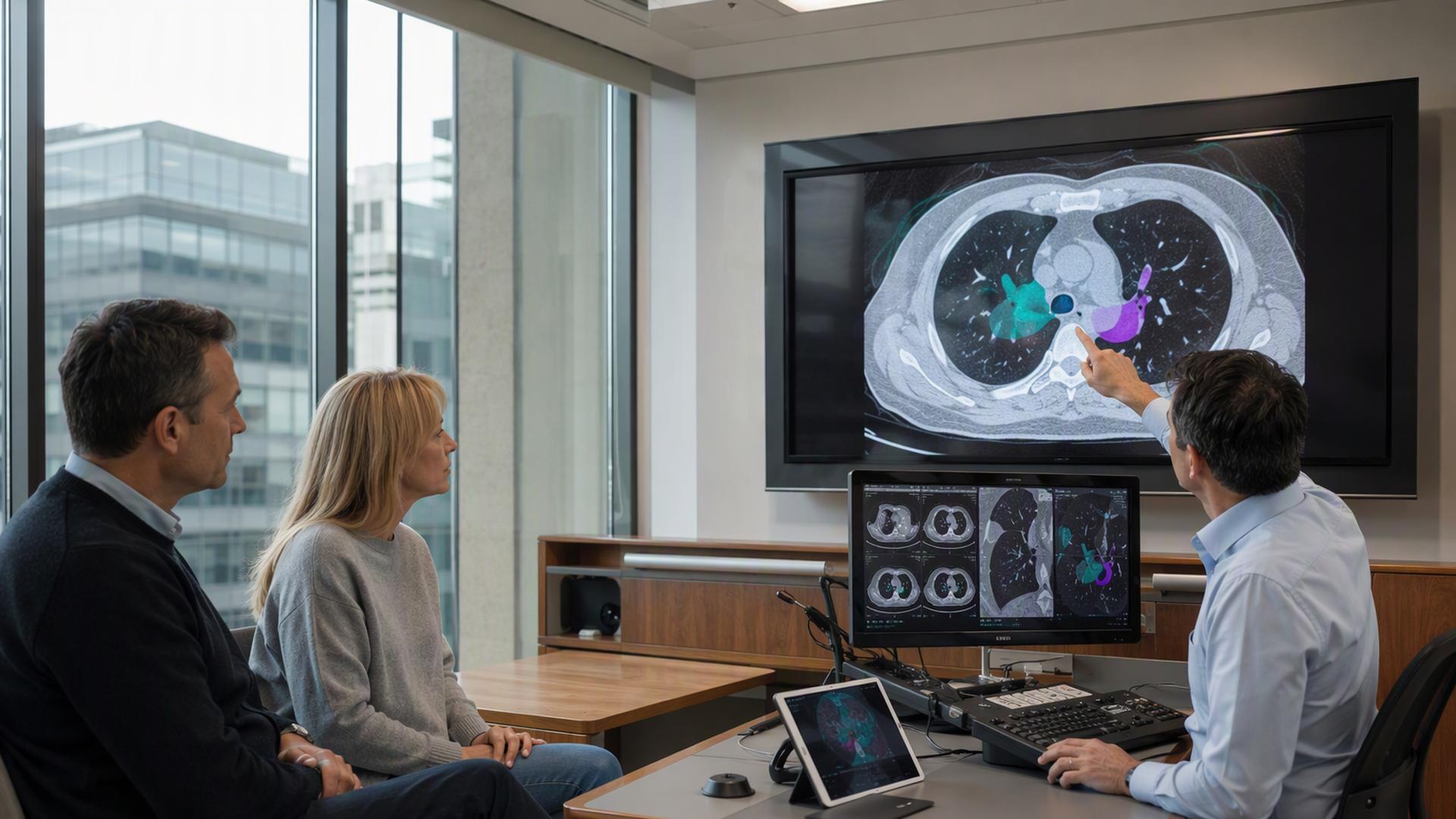
Many patients want a second view early. One such service is described on the page for Dr James Wilson's private lung cancer treatment, where the practice states that it offers same or next-day consultations, explains the diagnosis, stage and options in plain English and arranges scans and tests quickly. It also offers consultations in person in London or by video.
A second opinion does not mean leaving the first team. Many patients use it to check that a plan is sound, and then continue with whichever route suits them. Doctors are used to the request and rarely take offence. Ask politely and early.
What the statistics can and cannot tell you
Searching online for numbers is natural and can be distressing. Cancer Research UK's page on survival for lung cancer begins by stating that survival depends on many factors, that no one can tell you exactly how long you will live, and that the figures are general statistics based on large groups of people.
It also explains that the terms one-year and five-year survival do not mean that a person will live only for one or five years, and that statistics by stage are available for England, among people diagnosed between 2016 and 2020. It notes that chances of surviving five years or more are higher for people who have already survived a year, and that for people in England who survive their lung cancer for one year or more, around 45 out of 100 survive for five years or more.
Numbers describe populations, not individuals. A treatment team can say more about a particular case than any table, because it knows the type of cancer, the stage, genetic test results and the patient's fitness. If numbers are causing distress, it is acceptable to stop searching and to ask the team to go through only the information that bears on your decisions. A specialist nurse can help with that conversation.
Why some patients choose private care
The reasons patients give are consistent. Many value speed, such as appointments within days and quick access to scans. Others value continuity, meaning that the same consultant sees them at every visit, and time, since private appointments are often longer and the consultant can answer questions in full.
Some want access to specific technologies or trials. Dr Wilson's practice describes stereotactic radiotherapy and proton beam therapy, and says that proton treatment is available through a facility in London. Whether any technique suits a particular patient is a clinical judgment, and patients should ask what evidence supports it for their stage and type of cancer.
Others choose private care for a second opinion only, or for a specific step such as a scan, while their main treatment stays with the NHS. That mixed approach is common and can give peace of mind without disrupting a pathway that is working. Keep each team informed.
Why many stay with the NHS, or combine the two
The NHS provides excellent lung cancer care, and for most patients it is the main route. Treatment through the NHS is free at the point of use, and NHS teams have deep experience and access to the full range of approved treatments. Going private is a choice, not a requirement.
Cost is the main reason people do not. The London Clinic lists consultation fees for Dr Wilson of 500 pounds for a new appointment and 350 pounds for a follow-up, and his practice states that a full course of private proton beam therapy for stage 3 lung cancer typically costs between 50,000 and 100,000 pounds depending on complexity. Insurance may cover part or all of the cost, subject to policy terms.
Many patients combine the two, for example using NHS care for treatment and a private consultation for a second opinion. The practice states that choosing private treatment does not affect NHS entitlements.
Making the decision
A few questions help. What am I hoping to gain, whether speed, a second opinion or a particular treatment? What will it cost, in writing? Who will coordinate with my NHS team and my GP? What happens if the plan changes?
Bring someone to appointments, take notes and ask for a copy of any letter. Talk to the clinical nurse specialist, who can explain the pathway and answer practical questions. There is no wrong time to ask for support, and the decision can be revisited as circumstances change.
Involve the people close to you. Family members often notice things that the patient does not, such as which questions keep recurring at night, and they can share the work of gathering records and calling insurers. If you live alone, ask the hospital about volunteer or charity support for appointments and travel. Decisions made together tend to be easier to live with, and they spread a heavy load across more shoulders.